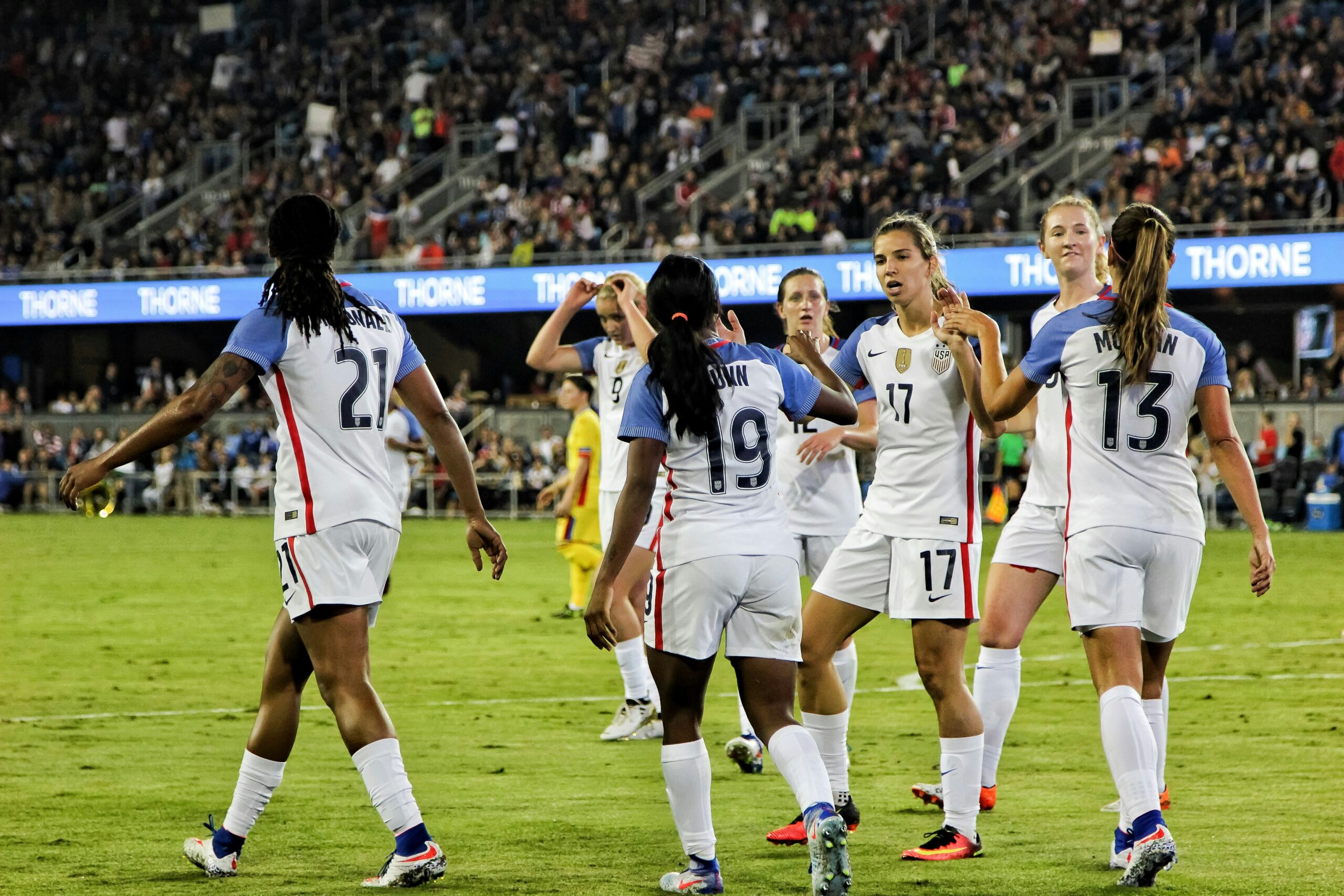

Your heart hammers against your ribs. Twenty thousand eyes watch as you step into position. This is it—the moment your entire season has built toward. Your mind floods with thoughts: What if I choke? What if I let everyone down? What if all this work was for nothing?
Stop.
Right there, in that spiral of fear, lies the difference between athletes who crumble under championship pressure and those who rise to meet it. The difference isn’t talent. It isn’t preparation. It’s the lens through which you view this moment—and how you manage performance anxiety when it matters most. What if I told you that your greatest performances are waiting on the other side of a simple but profound shift—from protecting your ego to expressing your deepest excellence?
The Paradox of Peak Performance
Here’s what elite athletes know that others don’t: The harder you grip, the more likely you are to slip. Championship performance isn’t about trying harder; it’s about letting go of the very thing you think you need most—control over the outcome. When you step into championship competition consumed by results, you’re competing from fear. Your body tightens. Your vision narrows. You become a smaller version of yourself, playing not to lose rather than competing to express the fullness of who you are. This is classic competition anxiety that derails athletic performance.
But when you compete from what sport psychologist Jim Murphy calls your “true identity”—the unchangeable core of who you are beyond wins and losses—something magical happens. You’re free. Free to be aggressive. Free to take risks. Free to honor both your preparation and your competitors by bringing everything you have.
This isn’t about not caring. It’s about caring so deeply that you refuse to let fear rob you of the joy of competition.
Falling in Love with the Battle
Think about why you started playing your sport. Before the scholarships, the rankings, the pressure. Remember that pure feeling of competition—the electricity of matching yourself against a worthy opponent? Your competitors aren’t your enemies. They’re your dance partners in this beautiful, brutal ballet of championship competition. Without them pushing you to your limits, you’d never discover what lies beyond them. This is the heart of Mindful Sport Performance Enhancement (MSPE)—approaching competition with acceptance and non-judgment rather than hostility and fear. At Summit Sport Psychology, we help athletes transform their relationship with competitive pressure through these evidence-based approaches.
When you truly love the competition, pressure transforms from a threat into an invitation. Each championship moment becomes an opportunity to discover who you are when everything’s on the line. Are you someone who shrinks? Or someone who expands?
The athletes who thrive in championship moments have learned to reframe pressure as privilege. Not everyone gets to feel what you’re feeling. Not everyone earned the right to be here. This pressure? It’s the admission price to greatness.
The Courage to Be Vulnerable
Courageous performance isn’t the absence of fear—it’s competing with your whole heart despite the fear. It’s being willing to fail spectacularly in pursuit of something extraordinary rather than failing quietly by playing it safe.
Most athletes enter championship competition wearing invisible armor, protecting themselves from the possibility of disappointment. But that armor is heavy. It slows you down, restricts your movement, blocks your instincts. Overcoming sports performance anxiety means learning to shed this psychological armor.
True courage means competing naked—psychologically speaking. No pretense. No protective ego barriers. Just you, your preparation, and your willingness to leave everything on the field. This vulnerability isn’t weakness; it’s the ultimate strength. It says, “I’m secure enough in who I am that I can risk everything in this moment.”
When you compete from this place of courageous vulnerability, you access what Murphy calls “unconditional confidence”—belief in yourself that isn’t dependent on outcomes. You’re not confident because you know you’ll win. You’re confident because you know you’ll show up fully, regardless of what happens.
Anchoring in the Now
Championship moments have a way of catapulting our minds everywhere but here. We flash forward to the consequences of failure. We flash back to past mistakes. Meanwhile, the only moment that actually matters—this one—slips by unattended. Present-moment awareness isn’t just a nice concept from meditation class. It’s your competitive superpower. When you’re fully present, your body knows what to do. All those hours of practice have encoded the movements into your muscles, your nervous system, your unconscious competence. Thinking just gets in the way. Mental performance coaching for athletes often focuses on developing this critical skill of present-moment awareness.
The practice of mindfulness in sport isn’t about emptying your mind—it’s about noticing when it drifts and gently bringing it back to what’s actually happening. The feeling of your feet on the ground. The rhythm of your breath. The specific task in front of you right now. When anxiety about outcomes starts to creep in, you return to process. When your ego starts keeping score, you return to purpose. This moment. This movement. This breath.
Three Techniques for Championship Presence
1. The Three-Breath Reset Between plays, points, or attempts, take three deliberate breaths with this framework:
- Breath 1: Release the last moment (exhale fully, let it go)
- Breath 2: Center in your body (feel your feet, your heartbeat)
- Breath 3: Set your intention for the next moment (not the outcome, but how you want to show up)
This takes less than 10 seconds but completely resets your nervous system and returns you to the present. It’s one of many techniques to reduce athletic performance anxiety that we teach competitive athletes.
2. The Competitor’s Gratitude Before you compete, look at your opponents and silently thank them. Thank them for pushing you to prepare. Thank them for bringing their best so you can discover yours. Thank them for sharing this arena with you. This simple mental shift transforms them from threats to collaborators in excellence. You’ll compete harder, but from love rather than fear.
3. The Identity Statement Create a single sentence that captures who you are beyond results. Something like: “I am someone who brings joy and full effort to competition” or “I am courageous presence under pressure.” Before you compete, remind yourself of this truth. During competition, when you feel yourself gripping, return to it. This becomes your North Star when the pressure tries to pull you off course.
Playing for Something Bigger
Here’s the ultimate paradox of championship performance: You perform best when you’re playing for something bigger than personal success. When your “why” transcends your ego, pressure loses its teeth. Maybe you compete to inspire your younger siblings. Maybe you compete to honor everyone who helped you get here. Maybe you compete to discover what’s possible when a human being fully commits. Whatever it is, find something worth competing for that would remain meaningful even if you lost. This isn’t about minimizing your personal goals. It’s about nesting them within something larger. When you compete from this space of purpose-driven performance, you access reserves of courage and composure that ego-driven athletes never find. This approach to managing pre-competition nerves has helped countless athletes perform when it matters most.
The Championship Challenge
As you enter your championship season, I challenge you to experiment with a different way of competing. Stop trying to control outcomes and start committing to process. Stop protecting your ego and start expressing your excellence. Stop fearing your competitors and start honoring them. Stop obsessing over the future and start owning the present.
This isn’t about lowering your standards or accepting mediocrity. It’s about recognizing that your highest performance comes not from pressure but from presence, not from fear but from freedom, not from ego but from essence. The championship arena is calling you to discover who you really are. Not your résumé, not your ranking, not your reputation, but the competitor at your core who shows up fully regardless of circumstances.
Will you answer that call with your whole heart? Will you dare to compete from love rather than fear? Will you trust that your preparation, combined with present-moment awareness and courageous vulnerability, is enough? The athletes who become legends aren’t necessarily the most talented. They’re the ones who learned to compete from their center when everything was on the line. They’re the ones who discovered that pressure is just another word for opportunity—often with the help of sport psychology professionals who understand performance anxiety.
Your championship moment is coming. The question isn’t whether you’ll face pressure—you will. The question is whether you’ll let that pressure compress you into something small and scared, or forge you into something unshakeable and authentic.
The choice is yours. Choose courage. Choose presence. Choose to compete from the deepest, truest part of who you are. Because in the end, championships aren’t won by perfect athletes. They’re won by present ones.
Ready to develop your championship mindset? Learn more about conquering performance anxiety in sports and discover how mental performance coaching can elevate your game when it matters most.