Content note (non-graphic, educational)
This newsletter includes a non-graphic, educational discussion of sexual violence, including rape and sexual assault, with a focus on understanding, prevention, and support for survivors. Some readers may find this material emotionally difficult, and it is completely okay to pause, skip this section, or come back to it at another time that feels safer for you. Please take care of yourself in whatever way you need while reading.

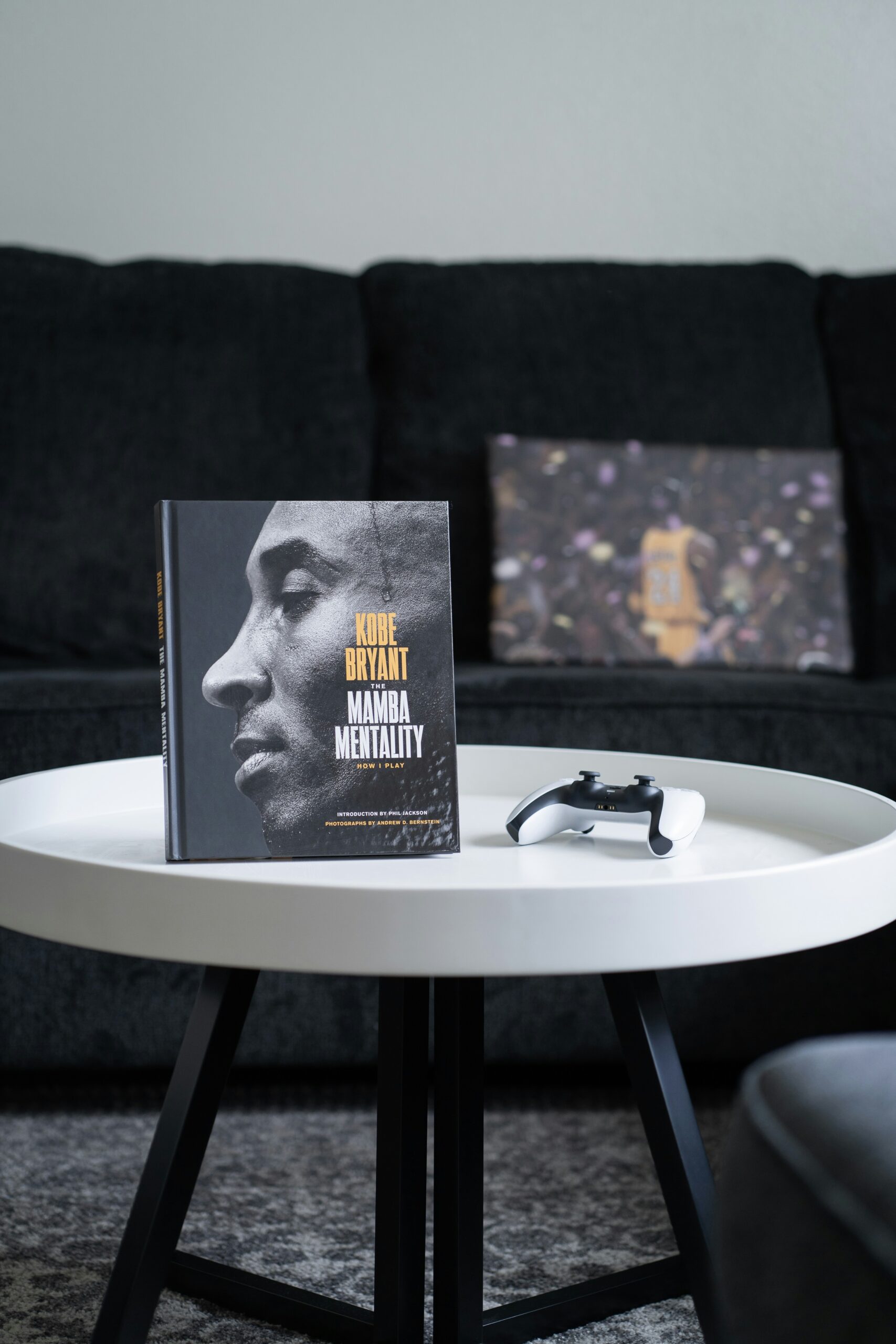
Scroll through sport psychology content and you’ll find him everywhere. The quotes. The five pillars. The “mentality” distilled into teachable moments. Mental performance coaches invoke Kobe Bryant with the reverence usually reserved for textbooks.
I get the appeal. But I won’t teach it. And I think our field needs to reckon with why so many of us do.
The Part Sport Psychology Leaves Out: Documented History
In the summer of 2003, a nineteen-year-old woman went to work at a hotel in Eagle, Colorado. She left that shift and went to a hospital. Then to a police station.
In his interview with investigators, Kobe Bryant described violent sexual acts, claimed it was consensual, and defended it as “his thing.” The evidence against Bryant, which I won’t detail here, was significant. She was nineteen. She had a name. She had a life before that night and a different one after.
The criminal case collapsed when she declined to testify—after being publicly identified through court errors, after receiving death threats, after Bryant’s defense team ran a playbook that has since been studied as a textbook case of how to destroy a complainant’s credibility.
The civil settlement required a statement. Bryant wrote: “Although I truly believe this encounter between us was consensual, I recognize now that she did not and does not view this incident the same way I did. After months of reviewing discovery, listening to her attorney, and even her testimony in person, I now understand how she feels that she did not consent to this encounter.”
Researchers who study sexual violence have noted this was the only accused individual in sixteen years of prevention work to provide such an acknowledgment in writing.
The “Black Mamba” alter-ego—the one our field now celebrates as a model of competitive focus—was created in 2003-2004. During and after the case. Bryant described it as a way to separate the competitor from the person.
We should sit with that.
The Psychology of Compartmentalization in Athletes
Jackson Katz has spent thirty years making an argument our field should hear: violence against women is not a women’s issue. It’s a men’s issue. And men—particularly men with status in male culture—have responsibility to address it.
Katz founded the Mentors in Violence Prevention program at Northeastern’s Center for the Study of Sport in Society because he understood something about influence. Athletes have what he calls “manhood credibility.” When they break silence about what’s acceptable, it opens space for others to do the same.
Sport psychologists have that credibility too. We shape how people think about competition, about excellence, about what kind of person an athlete should become. We’re not neutral observers. We’re participants in how the culture reproduces itself.
Here’s the uncomfortable part: Katz argues that the things men do to appear strong—the invulnerability, the dominance, the refusal to show anything soft—often make them weaker. Disconnected from others. Disconnected from themselves. Freed from the accountability that comes with staying whole.
The Mamba Mentality is a philosophy of disconnection. It celebrates an alter-ego. A separate self. A competitor who operates by different rules than the person who exists off the court. Research on moral disengagement in sport describes exactly this pattern. Athletes who compartmentalize—who develop what scholars call “bracketed morality”—become capable of behaviors they would otherwise reject. The separation enables the harm.
The core problem with the Mamba Mentality: It teaches athletes to create an alter-ego that operates by different rules than their everyday self and was likely used by Bryant to overcome his cognitive dissonance, rather than a pursuit of excellence. Research on moral disengagement shows this compartmentalization predicts antisocial behavior—the very architecture we claim to be developing character against.
When we teach athletes to create competitive alter-egos, we’re not building mental toughness. At best we’re teaching compartmentalization, at worst we’re teaching the architecture of moral bypass.
How Male-Centric Research Shaped Mental Toughness
The construct of “mental toughness” that our profession has organized itself around was developed almost entirely by studying men. Between 2010 and 2020, two-thirds of sport psychology study participants were male. One in five studies used only men. One in fourteen used only women. The traits we’ve defined as mentally tough—emotional suppression, rigid independence, invulnerable self-control—are masculine norms wearing a lab coat. We validated them on male samples and called them universal.
This matters because recent research suggests a different picture. Studies with elite women athletes describe what one team called “the zipper effect“: mental toughness and self-compassion interlocking, not opposing. These athletes didn’t need to choose between being driven and being kind to themselves. The combination was what allowed them to sustain excellence without destruction.
Self-compassion isn’t weakness. The research is explicit: it predicts better performance outcomes than self-criticism. Athletes who treat themselves with understanding during difficulty don’t become complacent. They become more able to stay engaged when things get hard. This aligns with what I’ve written about regarding how athletes actually build sustainable mental systems—developing flexible responses to difficulty rather than rigid, fragile toughness.
The Mamba Mentality represents one answer to the question of how to perform under pressure. It’s not the only answer. And it’s not the best one.
Psychological Flexibility: A Research-Based Alternative to Mamba Mentality
Psychological flexibility is what researchers call the capacity to stay present, notice what’s happening inside you without being hijacked by it, and keep acting in line with what actually matters to you. It doesn’t require you to become someone else in order to compete.
Steven Hayes, who developed the underlying framework, describes it as “thundering into sport and mental performance coaching”—not because it’s trendy, but because it works without fragmenting the person. The contrast with the Mamba Mentality is stark. Where Bryant’s approach requires an alter-ego, psychological flexibility builds an integrated self. Where compartmentalization creates a competitor who operates by separate rules, Acceptance and Commitment Therapy (ACT) trains athletes to remain whole—to experience fear, doubt, pressure, and discomfort while staying anchored to their values.
Athletes don’t have to bracket their ethics to perform. They don’t have to construct a version of themselves that exists outside normal accountability. They can compete with intensity and remain the same person when the competition ends.
This is what character development actually looks like. Not teaching people to split themselves in two and hope the halves don’t contaminate each other. Teaching them to become the kind of person who doesn’t need to.
The Question Under the Question
In 2020, when Bryant died, researchers analyzed 488 news stories about him. The coverage celebrated his legacy. It cleansed his history. The analysis concluded that his death exposed a limit of the #MeToo reckoning: if a powerful man was credibly accused before the cultural shift and never faced consequences while alive, we shouldn’t expect confrontation in death. Our field has done the same thing. We extracted what we found useful and left the rest behind.
When we quote Bryant, when we teach the Mamba Mentality, when we hold up his competitive philosophy as a model—we are making a choice about whose story matters. We’re saying his legacy as an athlete outweighs her experience as a person. We’re saying that what he built is worth preserving even if it requires erasing what he did.
Can we really claim that we develop character when we have collectively made this trade?
What I’d Ask You to Sit With
When you teach the Mamba Mentality or quote Kobe Bryant, would you be comfortable explaining the full history to the athletes in front of you? If the answer is no, that’s worth examining. Are you teaching integration or fragmentation? Are athletes learning to become more fully themselves under pressure—or to construct separate selves that aren’t bound by the same rules?
What does it mean that the exemplar we’ve chosen created his competitive alter-ego during and after a sexual assault case, as a way to separate the competitor from the person? Is that detail irrelevant to what we’re teaching? Or is it the whole point? Our field has an opportunity to model something different. To be thoughtful about who we hold up. To develop mental frameworks that don’t require compartmentalization. To take seriously the idea that character isn’t what you bracket away from competition—it’s what survives contact with pressure.
That nineteen-year-old woman had a life. She still does. Her story matters. If our profession can’t hold that truth alongside whatever we want to preserve of Bryant’s legacy, are we really serving the people we care about?
If you or someone you know has experienced sexual violence and wants support:
- RAINN (Rape, Abuse & Incest National Network): 24/7 confidential support via the National Sexual Assault Hotline at 800-656-HOPE (4673) or online chat at rainn.org.
- National Sexual Violence Resource Center (NSVRC): Information, education, and links to local sexual assault service providers at nsvrc.org.
Trent Claypool, PsyD, is the owner of Summit Sport Psychology in the Pikes Peak Region between Denver and Colorado Springs, Colorado. He has worked with athletes from youth through professional levels for over fifteen years and serves on professional task forces related to sexual violence prevention in sport and on college campuses.